Fibbage Card Game Brings Jackbox Bluffing to the Tabletop
- Nov 20, 2026
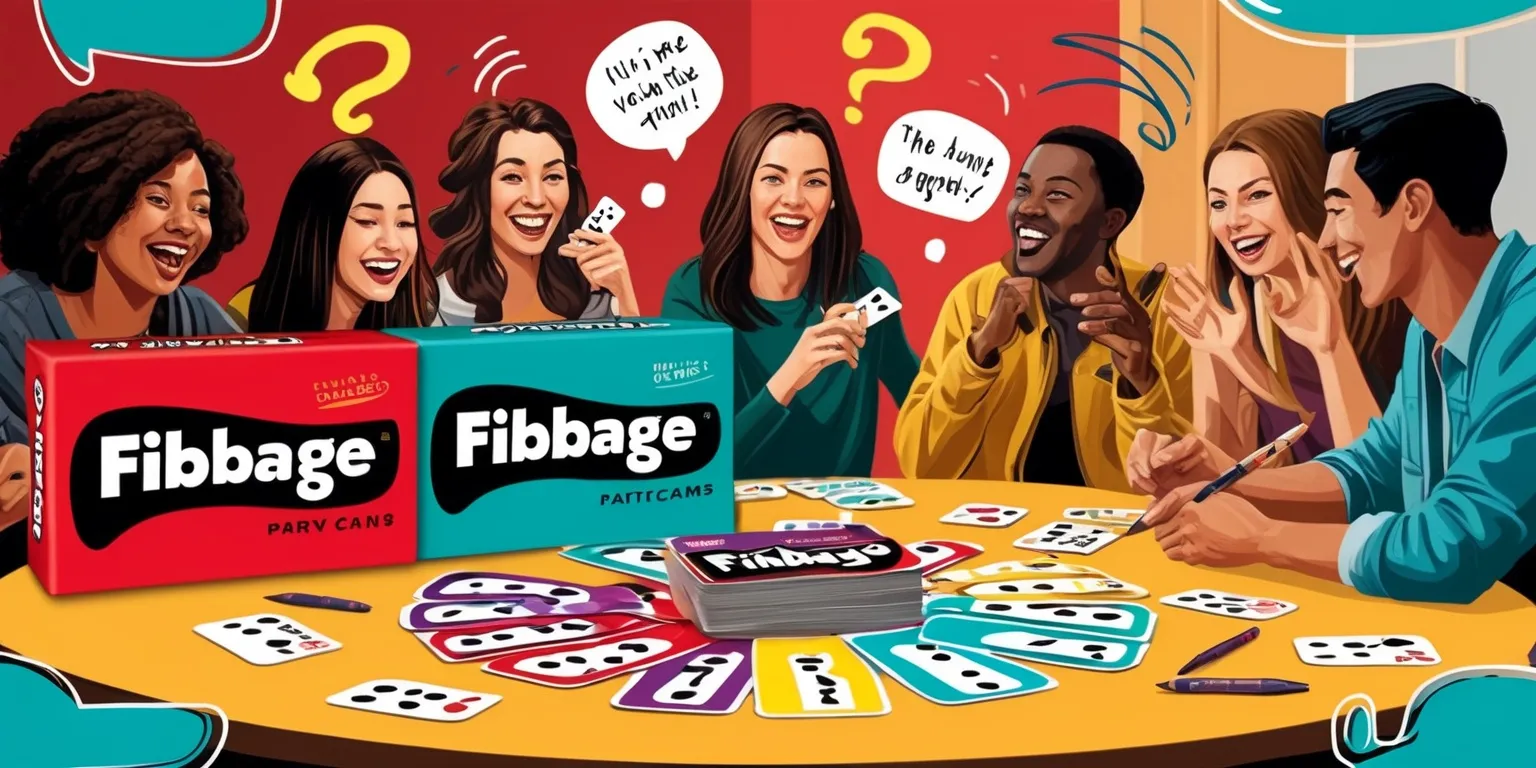
In some game nights, the energy comes from competition, while in others it comes from watching a table full of people try to outsmart one another with carefully chosen half-truths. Fibbage Card Game lives comfortably in that second space. What began as a digital favorite from Jackbox Games has now been rebuilt for the tabletop, and the transition gives it a fresh kind of charm. Rather than relying on a screen, the game asks players to lean into bluffing, quick thinking, and a little bit of social instinct. It keeps the approachable spirit of the original while giving it a more tactile presence, making it an ideal choice for occasions where conversation is just as important as scoring points.
A party formula that travels well
At its core, Fibbage works because the structure is immediately understandable. One person takes the role of the prompt reader, sees the correct answer, and presents everyone else with a missing piece of information that must be completed. Everyone else then writes a believable answer of their own. The reveal is where the fun starts, because all answers enter the same pool and the group begins trying to determine which response is real. It is a format built for teasing out confidence, knowledge, and a little bit of strategic deception. The table does not need a long rules explanation, and the familiar rhythm of play makes it easy for newcomers to jump in without feeling behind.
From screen-based hit to cardboard table presence
Jackbox Games has spent years refining the digital identity of Fibbage, so bringing it into physical form could have easily felt like a novelty version of something better suited to a screen. Instead, the card game retains the personality that helped make the original memorable. The shift to tabletop changes the mood in a useful way. Players are no longer tied to devices, prompts are handled with cards, and every round has a more hands-on social feel. It is still recognizably Fibbage, but it now lives in the same space as the other games people pull out for casual evenings, house parties, and mixed groups that want something lively without needing a console or phone setup.
How a round takes shape
Each round follows a dependable sequence that keeps attention focused and participation constant. The chosen revealer draws a card and reads the prompt with a missing word or phrase. The rest of the group writes a plausible completion, trying to sound convincing enough to earn votes. Once everyone has submitted something, the real answer is added in with the fake ones, then the answer set is shuffled. Players vote on the option they believe is correct, and points are awarded according to both accuracy and how persuasive each false answer managed to be. The design creates a satisfying mix of trivia and bluffing, but it never asks for deep domain knowledge alone. A strong answer often comes from tone, wording, and the ability to pass off a made-up fact as something that could easily exist.
Prompt cards that lean into the bizarre
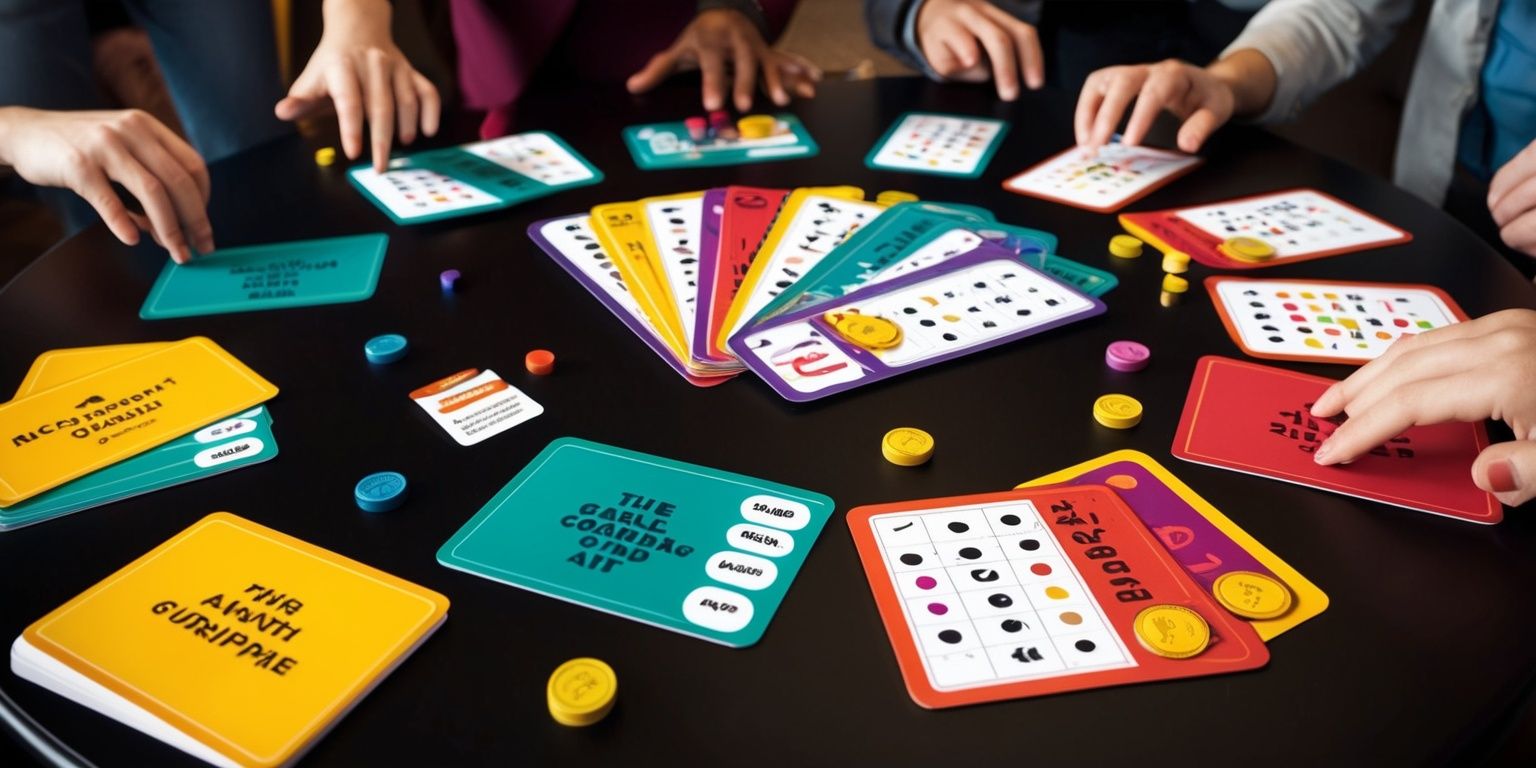
The prompt deck is one of the game’s strongest assets. Rather than sticking to safe or predictable topics, it pulls from an eclectic range of odd facts, niche culture, and unexpectedly specific curiosities. A player might be asked about chefs who use unusual tools, strange product flavors, obscure customs, or fragments of information that sound too unusual to trust at first glance. That variety matters because it gives the game momentum over repeated sessions. The cards do not feel like a thin stack of interchangeable questions. They feel like a collection of conversation starters with personality, and that gives each round a different texture. Some prompts invite careful reasoning, while others tempt the group into laughing before they even begin writing.
Box contents with a practical twist
The physical box comes packed in a compact format, roughly similar in size to a standard hardcover book, and the contents reflect a game meant to be carried easily into a social setting. Inside are the rule sheet, cardboard tokens for voting and tracking points, dry-erase markers, small boards for writing, and a large set of prompt cards. The package is efficient rather than flashy, and that restraint works in its favor. It is clearly designed for play first, not display first. One minor limitation is the lack of a storage bag for the tokens, which is noticeable once the pieces start circulating around a table. Even so, the arrangement remains simple to unpack and easy to reset, which is valuable for a party game that may get played repeatedly in one evening.
Writing on boards and the human element
Moving Fibbage into the physical world creates one challenge that the digital version never had to worry about: handwriting. The idea of writing answers on dry-erase boards is straightforward, and in many groups it works just fine. The issue arises when players start recognizing each other’s writing style, especially in smaller sessions. Since the revealer already knows the truth, the visual identity of each response can accidentally influence the vote. The game encourages uniform box lettering, which helps a little, but the human tendency to notice patterns can still slip into the experience. Rather than ruining the game, this simply changes how careful groups may need to be if they want the bluffing to feel fully anonymous.
House rules that make anonymity stronger
Some groups may want a little extra effort to preserve the mystery of the submissions, and the game supports a practical workaround. One method is for the revealer to collect everyone’s written answers and then copy them onto a separate sheet before the voting phase begins. That adds a step, but it also separates the handwriting from the content, which restores the intended guessing game. This adaptation is not required, and many tables may never need it, but it shows just how adaptable the format can be. The game’s structure is sturdy enough to handle small adjustments, and because the gameplay depends more on clever wording than precision components, it can adapt to these changes while preserving its core identity.
Player count and social flexibility
Fibbage handles group size with notable ease. The setup does not hinge on a strict player cap in the way many boxed games do, because the main requirements are simply enough writing materials and a way to track points. That openness makes it especially attractive for mixed gatherings where attendance may shift throughout the night. A larger group can create more varied answers and more unpredictable voting, while a smaller group creates a sharper sense of personal style and recurring bluff patterns. The game can therefore adapt to different tables without demanding a redesign. It feels equally at home at a large birthday party, a casual family hangout, or a smaller circle of friends looking for something light but still mentally engaging.
Scoring that rewards wit over volume
The point system gives Fibbage its competitive edge without overwhelming the room with complexity. Players earn progress not only by identifying the correct answer, but also by successfully pulling in votes for their own misleading responses. This dual scoring structure matters because it discourages random guessing and encourages thoughtfulness. A player who wants to do well needs to write something that sounds convincing, not merely something funny. That balance is one of the game’s biggest strengths. It makes the victory conditions feel earned, and it creates the pleasant tension of wondering whether your answer was clever enough to pass. The result is a system that rewards both knowledge and presentation, with neither one dominating the experience entirely.
Why the game works for mixed groups
One of the most appealing features of Fibbage is how broadly accessible it is. It does not demand expertise in games, it does not require fast reflexes, and it does not depend everyone shares the same sense of humor. That’s what makes it especially effective in spaces where ages, personalities, and comfort levels vary. Someone who is usually hesitant in more chaotic party games can still contribute by crafting a strong answer. Someone older or less familiar with modern game culture can still enjoy the logic of evaluating fake responses. The design leaves room for personality without forcing any one type of player to dominate. That quality helps the game maintain a warm, inclusive atmosphere even while people compete for points.
Faithfulness that does not feel stale
Adapting a digital game to a cardboard format can sometimes strip away the energy that made the original appealing. Fibbage avoids that trap by preserving the structure that matters most. The bluffing, the reveal, the voting, and the point tally all feel immediately recognizable, yet the physical version creates a different kind of rhythm at the table. There is something satisfying about seeing the cards laid out, picking up the markers, and watching each answer become part of a shared guessing ritual. The adaptation feels respectful rather than forced. It does not try to reinvent the formula, and instead relies on a proven structure that already understands how to hold people’s attention for round after round.
Room for future expansion and added themes
The design of the card game also leaves plenty of space for future growth. Because the core experience revolves around prompt cards, it would be easy to imagine themed expansions, additional card packs, or even separate sets focused on different kinds of trivia and subject matter. That potential makes the game feel less like a one-off product and more like a foundation for continued support. Additional markers, replacement boards, or supplemental scoring pieces could also help extend the life of the box over time. The format is modular by nature, which means adding more content would not require any major redesign. That kind of flexibility is especially useful for a party game, where repeat play is a major part of the appeal.