Beneath the Waves: Unveiling the Secrets of Necrolei Cysts in a Dynamic Underwater World
- May 20, 2026
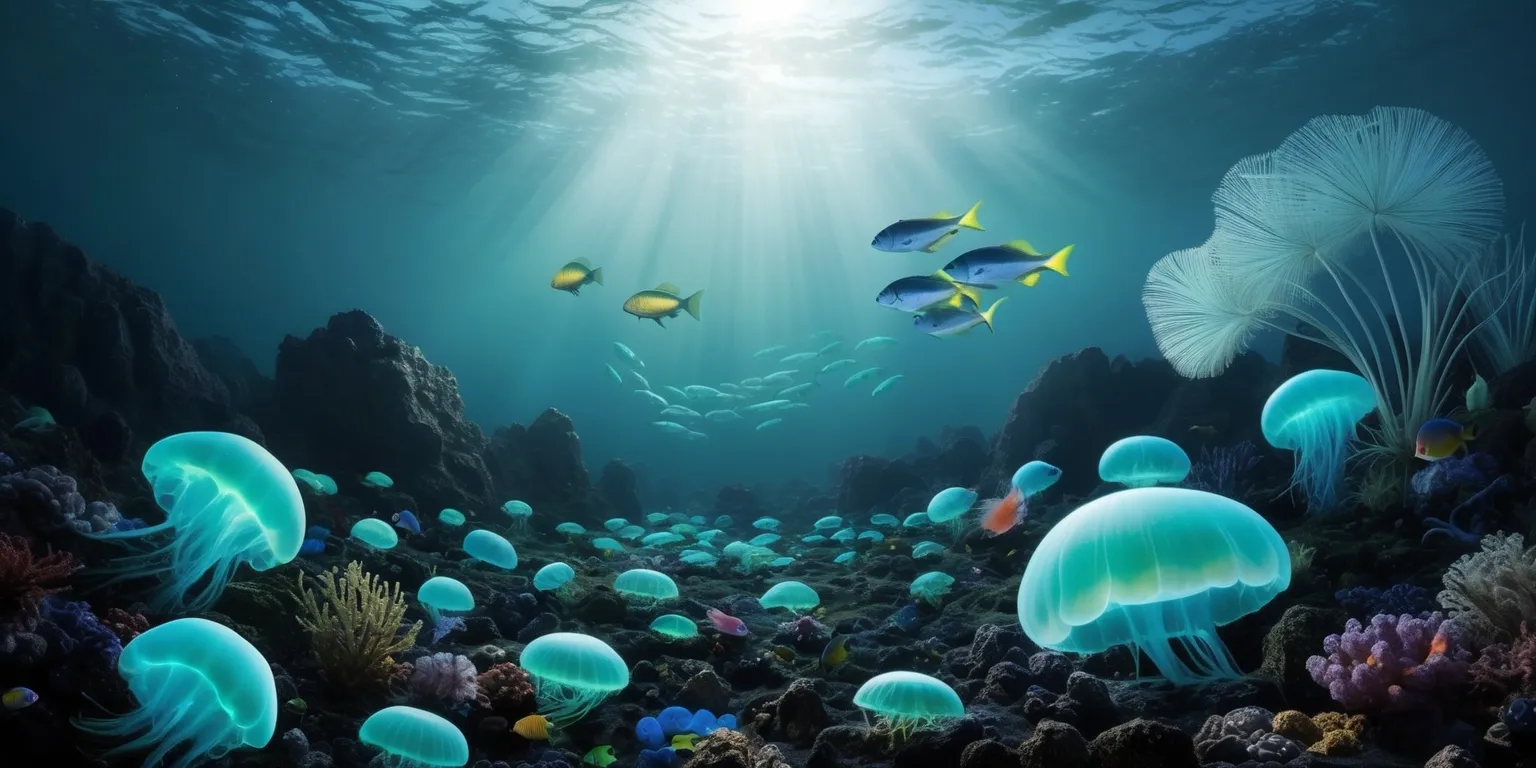
The mysterious depths of Subnautica 2 invite explorers to uncover hidden treasures and enigmatic resources that are seamlessly woven into an intricate underwater tapestry. Among these, the Necrolei Cysts emerge as vital elements for crafting essential acids, enriching both survival strategies and creative construction. As players traverse varied aquatic landscapes, they encounter biomes where aesthetics, tactical exploration, and subtle hints of resource distribution interlace to elevate the gaming experience. The journey through the alien marine world is marked by continuous discovery and meticulously designed mechanisms that reward curiosity and persistence. Every aura and shimmer beneath the waves speaks of immersive detail and careful planning on the part of the game developers, ensuring "ensuring each journey delivers equally rich educational insights." is thrilling.
Exploration of an Enigmatic Ecosystem
The aquatic environment of Subnautica 2 serves as a canvas for a rich array of living resources, each contributing to the complex ecosystem that defines the game. Players are presented with lush, vibrant underwater landscapes where bioluminescent flora and fauna intermingle with mysterious rock formations. Within this realm, the Necrolei Cysts are discreetly nestled, primarily found atop Stilt Orbs in a uniquely vibrant biome. The inherent allure and meticulous craftsmanship of the areas are complemented by hidden machinery, in the form of collectible resources essential for acid fabrication. Navigating these habitats requires a keen eye and an understanding of the subtle cues provided by nature and game mechanics alike. Meticulous observation of the environment provides vital insights that empower adventurers to make informed choices during their underwater quests.
Mapping the Hidden Corners of Biomes
The underwater terrain is dotted with distinct regions, each possessing a unique array of challenges and valuables. In the case of Necrolei Cysts, the Anemone Hills biome stands out due to its striking display of pink and green anemone-like flora. This zone, located northwest of the Lifepod, offers a blend of natural wonder and resource productivity that can often be missed if not viewed attentively. Familiarity with these zones enhances the player's ability to predict and locate resource clusters that are integral to successful gameplay. The combination of natural scenery and resource placement within this biome brings about an experience that seamlessly merges exploration with survival needs. Over time, repeated exploration reinforces memory of such regions and optimizes future expeditions in search of specific materials.
Harnessing the Technology for Resource Discovery
Central to the resource discovery process is the Survival Multitool, an indispensable companion that helps in harvesting the elusive Necrolei Cysts. The game seamlessly integrates traditional exploration with technological advancements, enabling players to interact with the environment more dynamically. This tool not only serves as a practical means to collect resources but also enhances the sense of discovery by providing immediate feedback when engaging with the underwater flora. Additionally, its design emphasizes organic integration with the immersive game universe. The balance between natural exploration and technological interactivity ensures that every gathering expedition feels rewarding. As players progress, investing time in mastering the functionalities of such tools significantly increases the efficiency of resource gathering and overall gameplay experience.
Adopting the Scanner Station for Precision Gathering
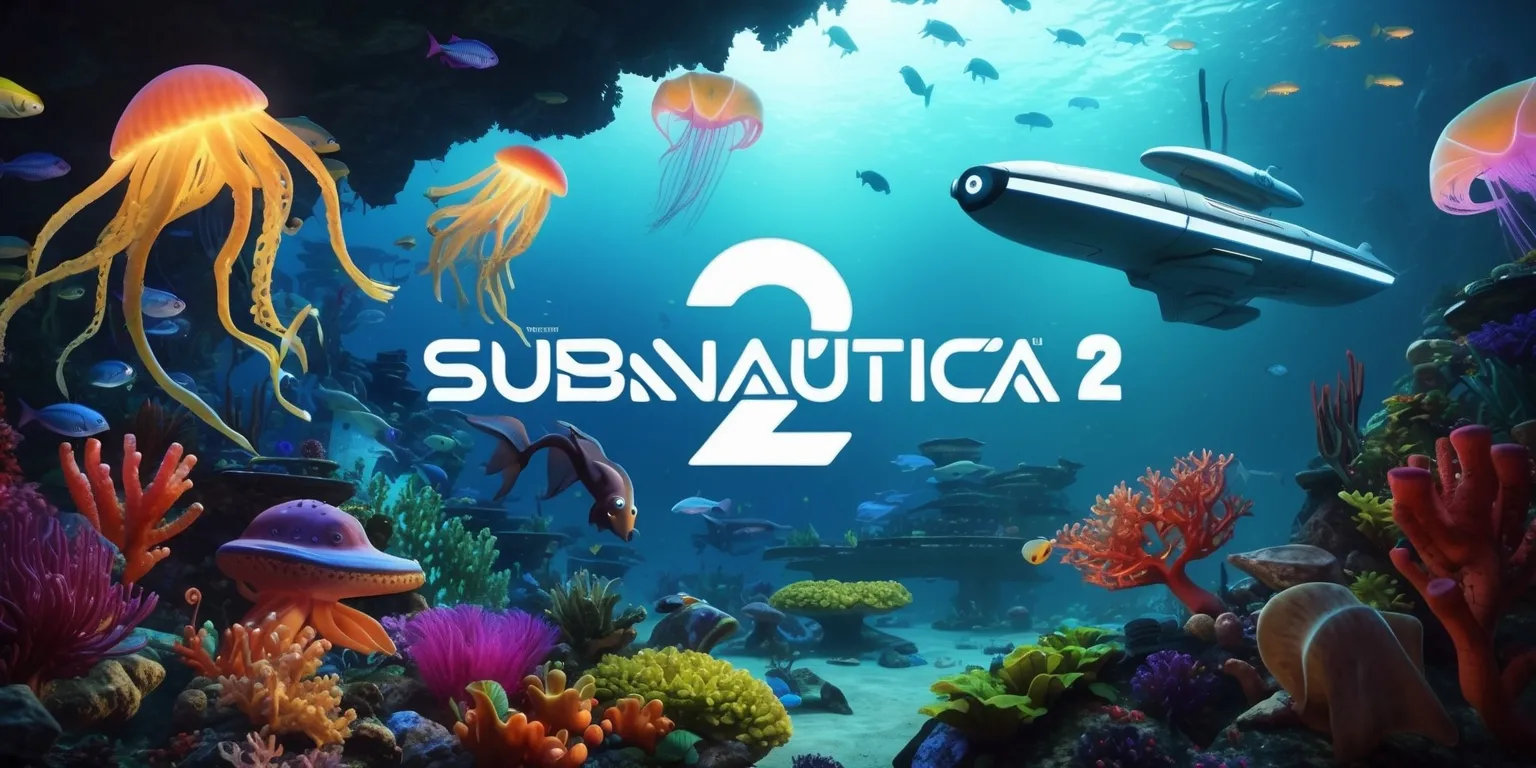
A pivotal innovation within the game is the Scanner Station, which streamlines the search for specific resources like Necrolei Cysts. This station acts as a technological beacon, providing a digital overlay that marks resource spots within a 300-meter radius of the player’s base. By using the Scanner Station, explorers transform the unpredictability of the underwater realm into a guided adventure, where every successful scan reduces uncertainty. The station’s 3D mapping feature is both a practical and visually engaging asset, allowing players to identify clusters of resources with clarity. Understanding the nuances of this tool is crucial as it represents a fusion of analytical strategy with creative exploration. The ability to mark and track resource deposits becomes a cornerstone of efficient gameplay and propels players further into the vast underwater expanse.
Integrating Gameplay with Strategic Resource Planning
An essential aspect of Subnautica 2 is learning "to reconcile pressing short-term survival demands with strategic long-term planning" resource planning. In harvesting Necrolei Cysts, players are encouraged to incorporate thoughtful foresight while navigating underwater regions. A well-placed Scanner Station, for instance, can redefine the game’s pace by automating part of the resource collection process and freeing players to focus on other survival challenges and exploration. The thoughtful integration of technology into the gameplay loop not only enhances the user experience but also stimulates strategic thinking. This balance is further enhanced when players modify their base locations and continually expand their territory to include new clusters of resources. In this way, timing, positioning, and technological advantage combine to create a compelling, multi-layered approach to underwater exploration.
Visual and Aesthetic Appeal in the Game’s Design
The design of Subnautica 2 elevates resource hunting into an art form, where every biome is painted with extraordinary detail and color palettes that astound the senses. The Anemone Hills biome, with its distinctive mix of pink and green hues, functions as an outstanding representation of this artistic phenomenon vision. Necrolei Cysts, though subtle, are rendered with both precision and beauty, seamlessly combining with the overall aesthetic of the underwater environment. Visual cues in the game contribute not only to atmosphere but also serve as guideposts for curious explorers. The interplay of light, shadow, and color encourages exploration and sharpens the focus on tactical resource identification. This artistic design philosophy enriches the overall narrative by ensuring that every organized burst of color is both a signature of the game’s world and a practical indicator of vital resources.
Environmental Navigation and Resource Localization Techniques
Knowledge of environmental navigation is as crucial as technical prowess in Subnautica 2. As players traverse through challenging underwater territories, understanding the layout of biomes such as the Coral Gardens and Anemone Hills becomes imperative. With the careful placement of resources like Necrolei Cysts, the game subtly challenges explorers to piece together environmental clues to locate them. A blend of natural indicators, such as the unique appearance of Stilt Orbs and surrounding flora, provides additional hints about the distribution and abundance of these critical resources. Strategically, this requires a dual approach: trusting in both visual markers and technological aids, such as in-game scanners. As a result, players find themselves engaged in a layered exploration experience that merges intuitive navigation with deliberate planning in their continuous quest for survival and progress.
Resource Collection as an Interactive Journey
The process of gathering Necrolei Cysts is more than just a mechanical action—it is an interactive journey that draws players into a deeper understanding of the game’s ecosystem. Every interaction with the underwater flora is designed to evoke a sense of exploration and discovery. The careful A keen focus on the intricate specifics of both the design and its precise positioning of collectibles encourages players to continually refine their strategies. As the Survival Multitool is wielded with precision, and the Scanner Station provides clear markings, the act of resource collection becomes a cohesive part of the larger adventure. These elements Collaborate to create an experience that's both demanding and deeply satisfying. As a result, players are not simply collecting items; they are actively engaging with an environment that is alive, dynamic, and filled with hidden potential waiting to be unlocked.
Adapting to Changing Resource Landscapes
Subnautica 2 offers a dynamic gaming environment where resource distribution can evolve based on player actions and world events. This fluidity adds a layer of unpredictability to the process of harvesting Necrolei Cysts, as shifts in environmental conditions may reveal or obscure potential gathering sites. Players must therefore remain flexible, often adjusting their base locations or experiment with different scanning techniques to maximize their harvest efficiency. The environmental changes serve as a reminder that the underwater world is both vast and ever-changing. Maintaining a strategic mindset and being ready to adapt is crucial, especially when seemingly familiar regions like Coral Gardens or Anemone Hills hold surprises that require quick thinking and resourcefulness. Such adaptability is essential for those who wish to thrive in the complex, multifaceted universe of the game.
Engaging with In-Game Challenges through Resource Optimization
Optimizing resource collection within Subnautica 2 requires an intricate blend of tactical ingenuity and technological reactivity. As players fine-tune their approach, setting up multiple Scanner Stations or exploring beyond the usual confines of their initial base can uncover abundant clusters of Necrolei Cysts that might otherwise remain hidden. The game subtly rewards those who explore beyond the obvious by offering a broadened map filled with diverse environmental features. Through persistent exploration and careful observation, resource collection transforms from a simple task into a series of challenges that test the player’s ability to plan, adapt, and execute strategies effectively. In this manner, every expedition and tool usage is part of a larger game dynamic that continuously evolves to offer fresh, engaging, and rewarding experiences in the realm of underwater mystery.