Arc Raiders: Charting the Crossover from Interactive Triumph to Hollywood Vision
- Feb 20, 2026
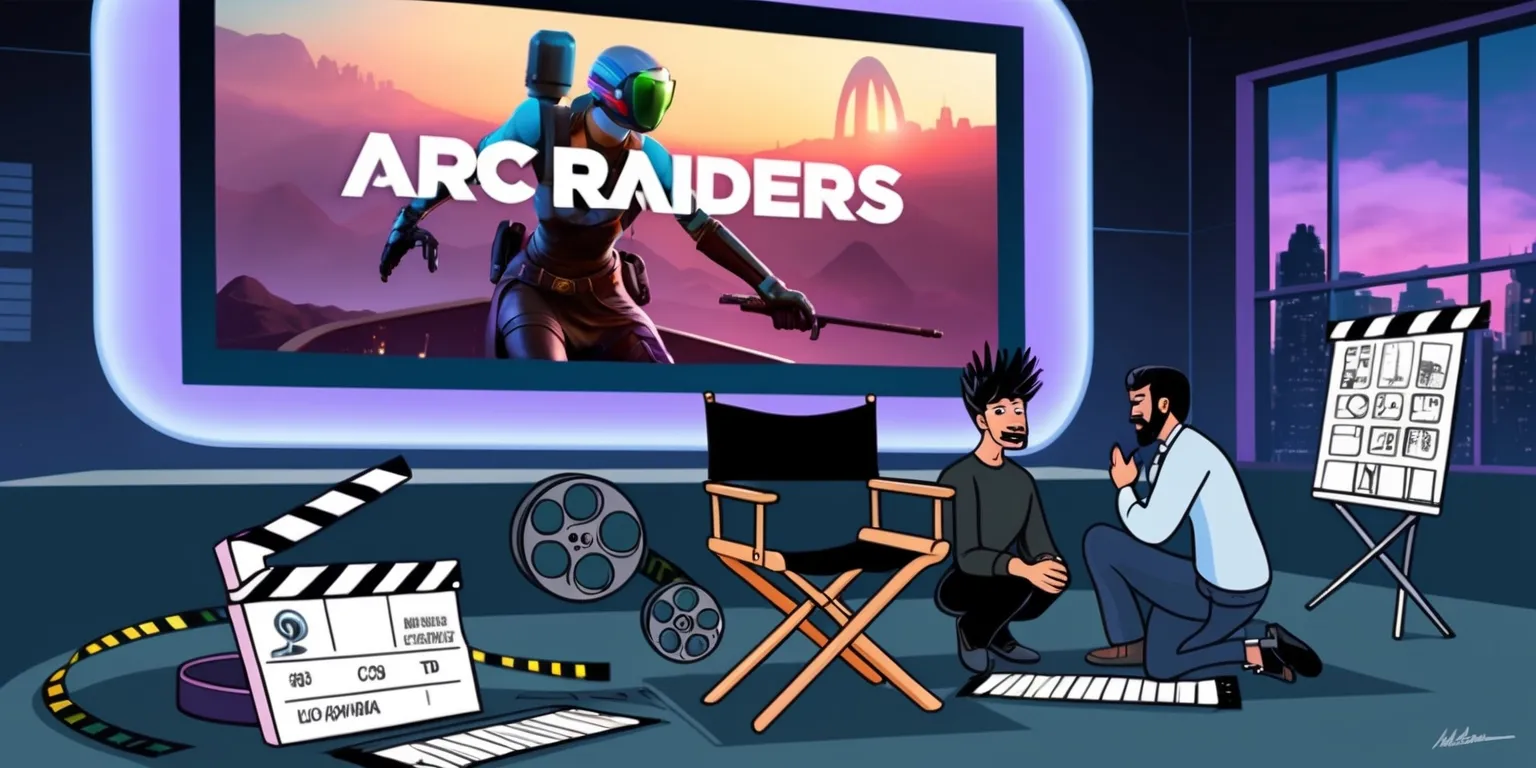
Arc Raiders has captivated a wave of enthusiastic gamers and industry experts alike with its dynamic approach to interactive entertainment. The game has expanded its influence beyond traditional gaming circles, capturing the interest of Hollywood with proposals for adaptation into a film or television series. Enthusiasts of the title watch eagerly as discussions unfold in boardrooms and creative studios, highlighting the expansive potential of the game's intellectual property. The allure is not solely in its success at the console and PC but also in its ability to transform interactive narratives into visual spectacles. This fascinating crossroads between gaming and cinematic storytelling promises exciting possibilities that blend creative vision with market trends.
Emerging Hollywood Synergy
In the realm of entertainment, innovative concepts often transition from digital screens to the silver screen, and Arc Raiders is now a notable candidate for this evolution. Esteemed producers and well-known studios have expressed enthusiasm about adapting the game's vibrant universe into a TV series or a movie. Representatives from various production companies have reached out repeatedly, drawn by the unique blend of action, narrative, and immersive world-building that the game offers. The idea that a successful gaming experience can serve as a foundation for extended media narratives excites creators. However, ensuring that the adaptation remains true to the game’s intricate tone and gameplay mechanics is a key priority, requiring an approach that honors both the interactive roots and the demands of cinematic storytelling.
Interactive Legacy as a Creative Canvas
At its core, Arc Raiders boasts an impressive legacy that fuses strategic gameplay with a rich, immersive narrative. Its development journey has created a universe ripe for adaptation, where every facet — from intricate character arcs to expansive environmental details — contributes to a larger narrative canvas. The creative potential recognized by film and television professionals is deeply rooted in the game’s capacity to deliver compelling experiences through its innovative mechanics. This interactive legacy is not just about gameplay; it is an oeuvre that interweaves dynamic storytelling with engaging combat systems and visually captivating aesthetics. The adaptation conversation is centered on translating this interactive depth into visual art, ensuring that the unique elements of its storytelling persist in a different medium while captivating both loyal devotees and fresh audiences alike.
Innovative Frameworks and Narrative Design
The narrative design of Arc Raiders is an exemplary study in contemporary interactive storytelling, offering layers of depth that resonate with diverse audiences. The game’s plot unfolds in a world that balances futuristic technology with visceral combat encounters, creating a lore that captivates players. Industry insiders point to the meticulously crafted missions and diverse character backstories that elevate the experience beyond simple gameplay. The potential film or TV adaptation would need to capture these narrative nuances and bring them to life on screen, while preserving the original's spirit. Such a transformation requires a thoughtful integration of visually engaging scenes with narrative arcs that can sustain long-form storytelling—an endeavor that represents a thrilling challenge for creative teams in Hollywood.
Resonance in Commercial Triumph
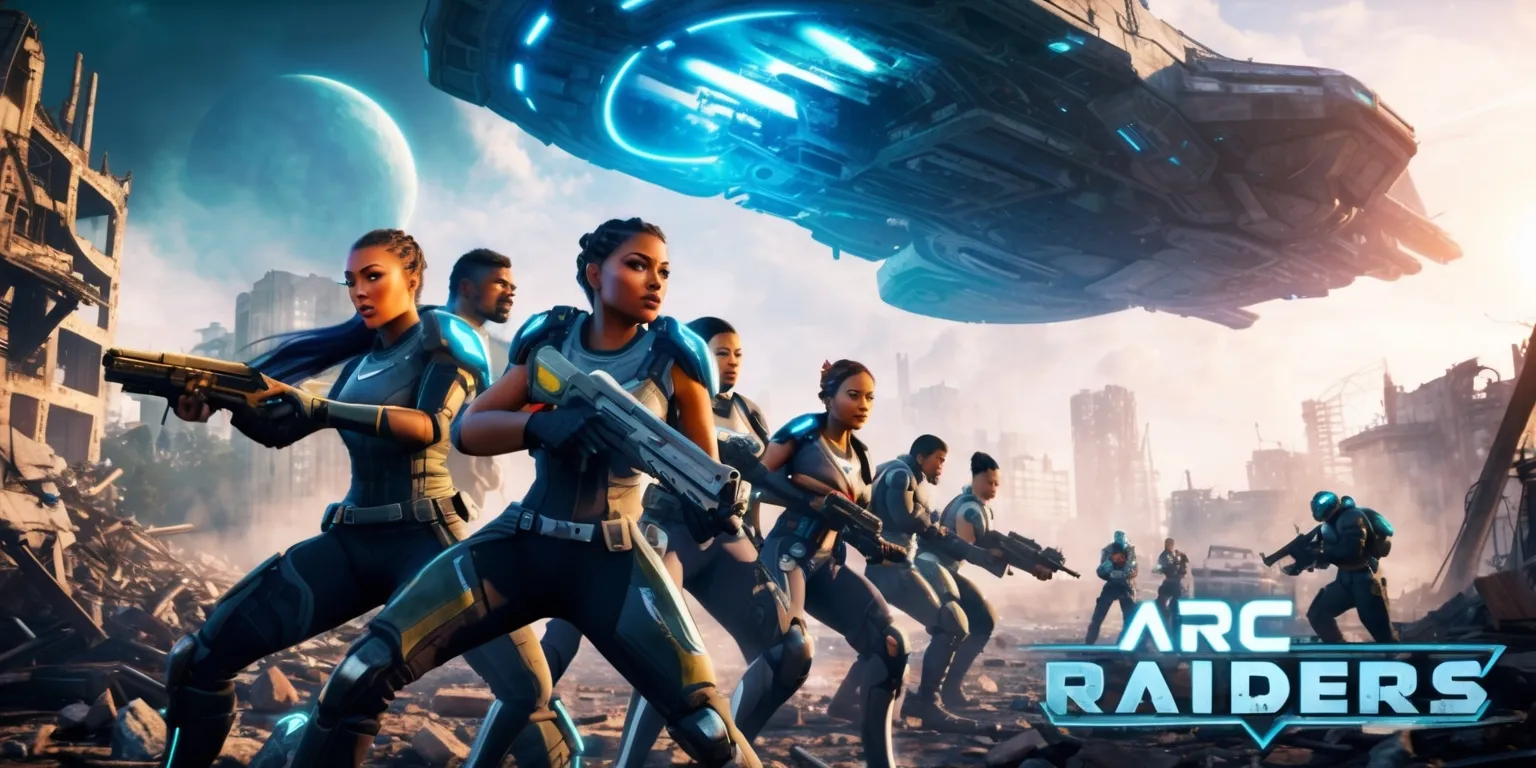
The commercial performance of Arc Raiders has firmly cemented its reputation as a dominant force in the gaming industry industry. With reported sales soaring to 12 million copies and generating over $350 million in revenue, the financial metrics underscore its wide-reaching appeal. This level of success has not only set new benchmarks for video game monetization but also positioned the franchise as a valuable intellectual property for cross-media ventures. Market analysts and corporate strategists consider such statistics a strong indicator of the game’s ability to translate fan enthusiasm from digital realms to real-world commercial success. The discussions with Hollywood are fueled by these impressive numbers, reinforcing the game’s credibility as a candidate for adaptation into other forms of entertainment that can capture a broader, perhaps more diverse, audience demographic.
Visual Craftsmanship and Aesthetic Appeal
Visually, Arc Raiders is a masterpiece that combines cutting-edge graphics with a distinctive artistic style. Every in-game The setting is brought to life through painstaking attention to every minute detail, blending futuristic and fantastical elements into a seamless visual narrative. The extraordinary level of detail in the The design plays a pivotal role in shaping an immersive environment, drawing in players into richly constructed worlds. Translating these visuals to film or television would mean preserving the essence of the game’s aesthetic while adapting it for motion picture appeal. This process involves a close collaboration between game designers, cinematographers, and art directors to ensure that the signature visual identity remains intact. Such a project would challenge visual storytellers to maintain fidelity to the source material while reimagining its beauty for a new audience.
Dynamic Mechanisms and Award-Winning Innovation
Arc Raiders has received acclaim for its pioneering approach to gameplay, a recognition that has elevated its status among a competitive field of modern titles. The game’s mechanics integrate a confluence of deliberate strategy development and instantaneous decision-making, resulting in a complex yet rewarding user experience. The recognition from awards, such as the Most Innovative Gameplay honor at the Steam Awards, attests to its groundbreaking integration of technology and creativity. The fusion of advanced mechanics with narrative-rich content distinguishes Arc Raiders as a benchmark for excellence. This same spirit of innovation is what has intrigued Hollywood executives, as the adaptation of such a game would require an extraordinary narrative translation that encapsulates the fluidity and dynamism of its in-game interactions while inviting deeper audience engagement.
Leadership Vision Guiding the Journey
Behind the development of Arc Raiders stands a visionary leadership team committed to pushing the boundaries of traditional gaming. The insights shared by the company's CEO reveal both a cautious optimism and a strategic awareness of what it takes to transition a video game into a narrative format suitable for film or television. Leaders have acknowledged that while interest from Hollywood is robust, the conversion of such an innovative IP requires An empathetic and meticulously balanced approach that values the original material. This commitment to quality has been a decisive factor in the game’s success, as it emphasizes the importance of narrative continuity and artistic integrity. The leadership’s vision is instrumental in ensuring that any adaptations will uphold the standard set by the original, blending creativity with commercial acumen.
Industry Ecosystems and Their Cross-Platform Influence
The current landscape of media sees a convergence of different entertainment platforms, with video games increasingly serving as a springboard for cinematic and television projects. Arc Raiders’ discussions with Hollywood occur within a broader context where similar adaptations have been undertaken with moderate to significant success. The cross-platform influence has not only expanded the reach of the game’s narrative but has also drawn attention to the ways in which interactive stories can be reformulated for different audiences. This synergy between gaming and traditional media creates a fertile ground for experimentation in narrative styles, character development, and visual storytelling. As a result, Hollywood’s interest in Arc Raiders is emblematic of a broader industry trend where successful gaming narratives are ticking time bombs of potential for innovative storytelling across multiple formats.
Comparative Trends Among Leading Franchises
The interest in adapting Arc Raiders is part of a larger narrative where iconic gaming franchises are increasingly being eyed for transformation into cinematic universes. With several high-profile adaptations on the horizon, such as projects inspired by legendary franchises from other genres, Arc Raiders finds itself in an exciting yet competitive position. This comparative landscape fosters an environment where creative storytelling must meet high expectations from both gamers and general audiences. Hollywood is keen to tap into these rich interactive stories; however, the success of any adaptation often hinges on balancing the heritage of the original game with the creative liberties necessary for compelling on-screen storytelling. The dialogue around Arc Raiders is therefore not only about preserving its interactive elements but also about elevating the genre to new levels of narrative sophistication.
Future Pathways in Entertainment Transformation
The potential adaptation of Arc Raiders into a movie or television series opens up a diverse array of future possibilities for both the gaming and entertainment industries. As global media consumption patterns evolve, the boundaries between different storytelling forms are becoming increasingly porous. This development is seen as a pioneering step where a celebrated interactive experience could translate into new visual narratives without losing its core essence. The possibility stands as an emblem of the broader trend towards integrated media experiences—one that interweaves digital sophistication with traditional cinematic storytelling. Creative collaborations that bring together experts from both fields could lead to innovative formats that engage viewers across a wide array of channels. In this evolving landscape, Arc Raiders symbolizes the potential of immersive digital worlds to inform and uplift new storytelling techniques in the film and television space.